Food waste is one of the most urgent challenges of our time. At Glicine, we are well aware of this. That is why, for years, we have been committed to making food sustainability a central aspect of our daily kitchen operations—not just a message for the outside world.
Every dish we prepare, whether for catering services or for our Horeca supply operations, is the result of a process designed to minimize waste while enhancing local and seasonal ingredients. In this way, we work to ensure a gastronomic experience that is not only pleasing to the eyes and the palate, but also respectful of the supply chain from which it originates.
According to recent international estimates, a significant percentage of food produced along the supply chain never reaches the final consumer, generating major economic and environmental impacts.
For the food industry, combating waste does not simply mean cutting costs or improving sustainability: it means rethinking the entire production model and giving new life to raw materials and by-products which—if managed properly—can become real resources.
In a context where consumers, companies and institutions are increasingly demanding greater responsibility in food management, turning waste into added value becomes essential. And it is along this path that we at Glicine have chosen to invest, for our present and for the future of those who will come after us.

The catering and events sector has historically been one of the most exposed to the risk of waste, but this does not mean that effective strategies cannot be put in place to reduce food waste without compromising excellence. At Glicine, we do this every day.
Careful planning—based on industry experience, historical data and forecasting tools—can significantly reduce waste. At the same time, choosing more flexible menus allows for the safe and creative reuse of already prepared ingredients.
For example, partnerships with local organizations can play a key role: many companies enter agreements with local associations to recover surplus food, ensuring that perfectly good products ready for immediate consumption can be distributed to people and communities in need. In this way, what was once considered waste becomes an instrument of social responsibility.
In the restaurant industry as well, food waste often results from inefficient management of raw materials, oversized portions or the inability to reuse ingredients that are not fully utilized. Today, however, more and more restaurants are adopting a “circular cooking” approach, which allows every part of an ingredient to be used intelligently and sustainably.
Staff training also plays a key role in minimizing what gets thrown away. Furthermore, a dynamic menu—changing according to seasonal availability or surplus recovery—allows restaurants to optimize purchasing and reduce costs without sacrificing quality.
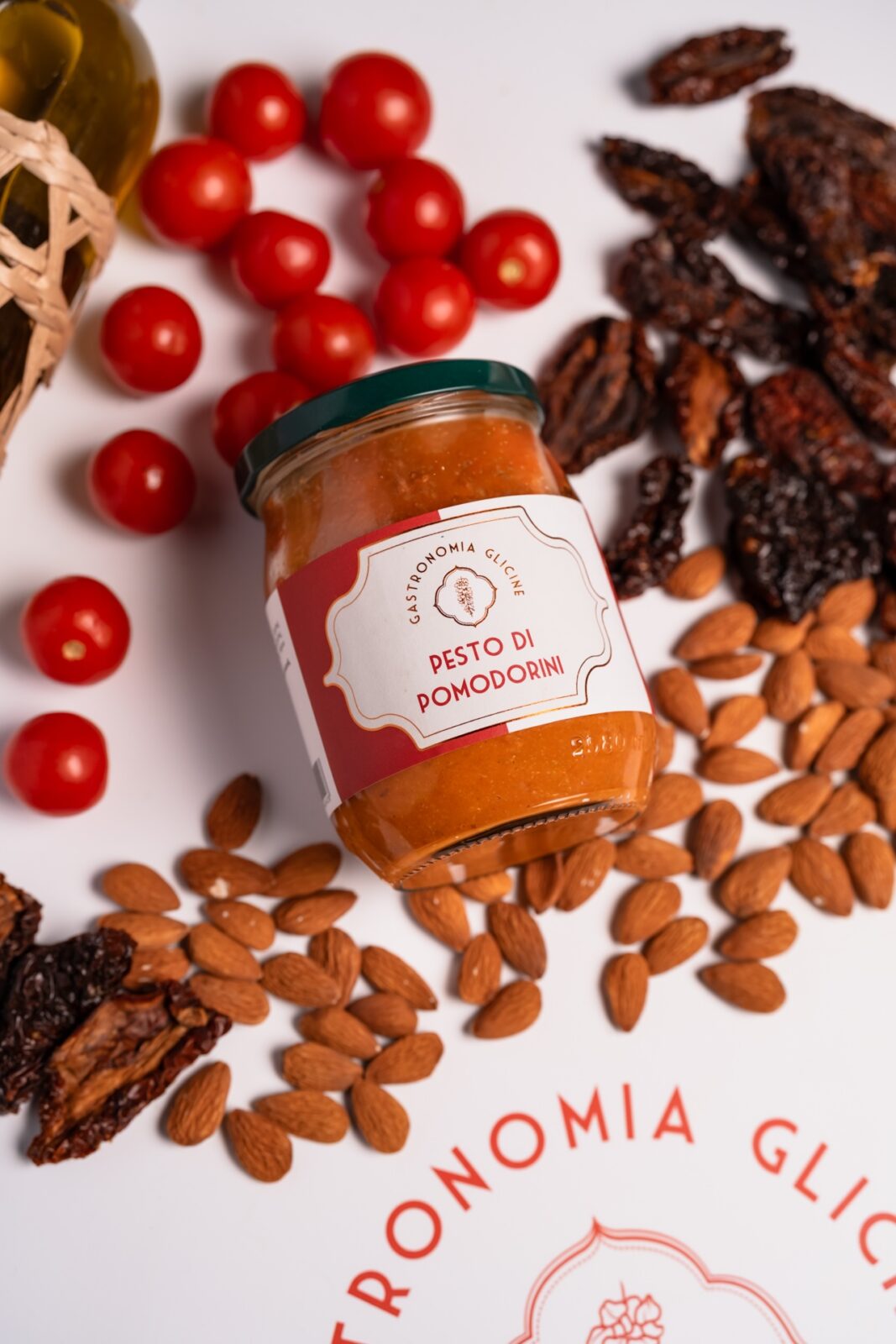
Glicine, committed to promoting a sustainable supply chain, carries out a concrete model for combating food waste, where innovation meets social responsibility. For example, through the recovery of surplus food used in Gastronomy production: fresh, high-quality ingredients that might otherwise be discarded are selected and reintegrated into a virtuous production process.
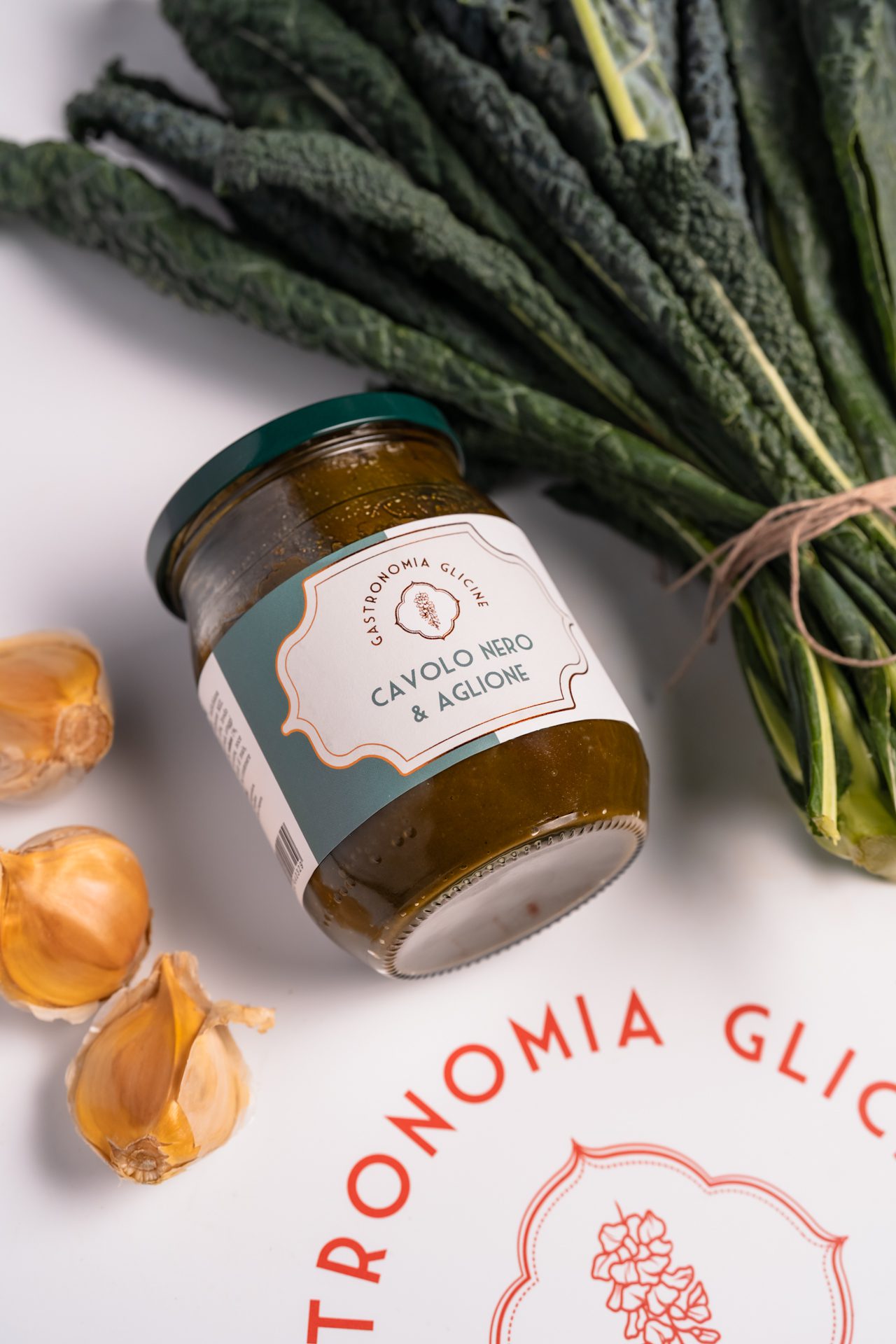
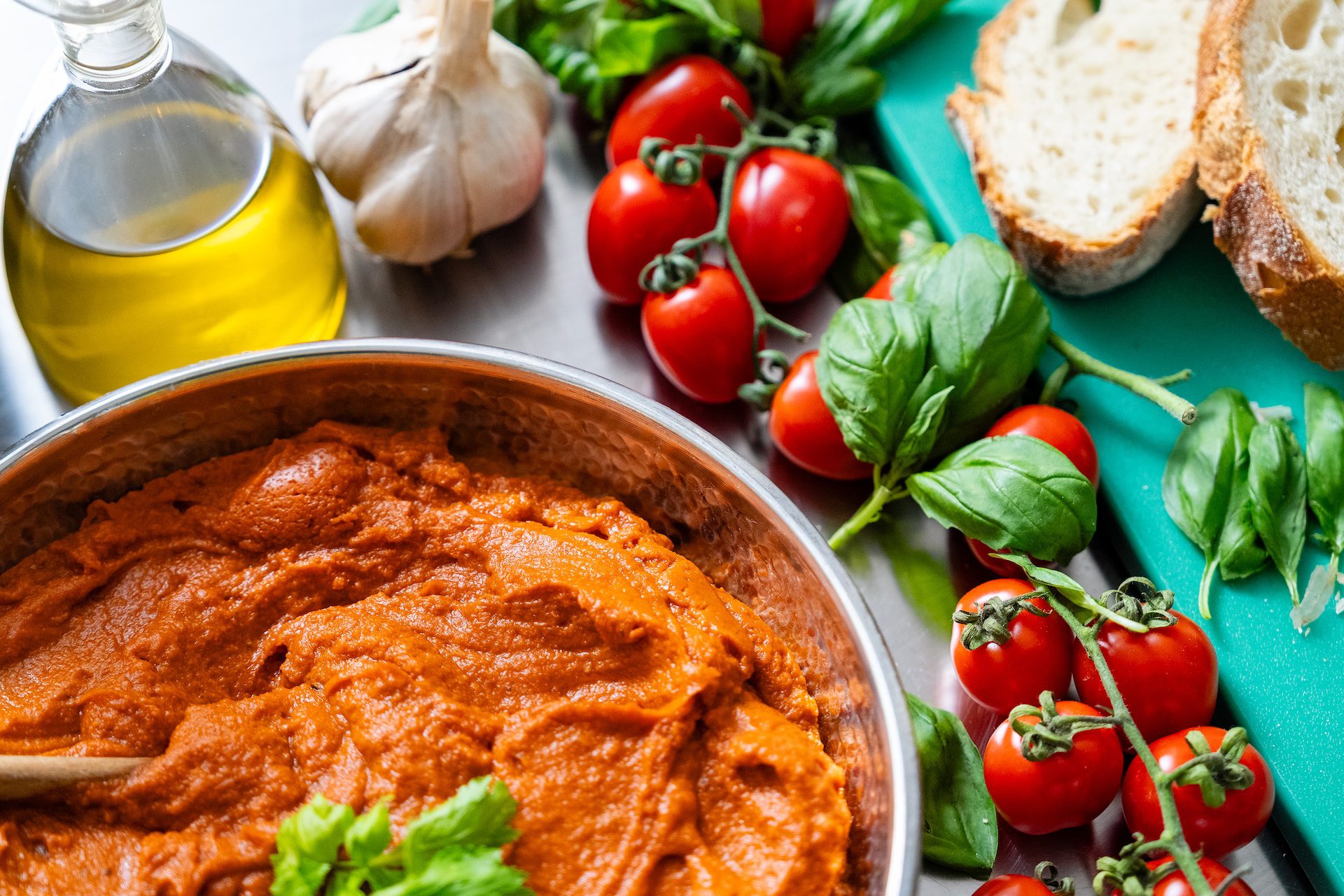
Thanks to certified facilities and controlled pasteurization and sterilization cycles, Glicine Gastronomy transforms these ingredients into sauces, preserves and preparations destined for the Horeca sector. In this way, perfectly suitable surpluses are converted into delicious, ready-to-use products for professional kitchens.
Glicine’s philosophy demonstrates that waste is not an inevitable outcome, but a challenge to be tackled with skill, collaboration and vision.